Climate, Livelihood, and Health in Southern Madagascar
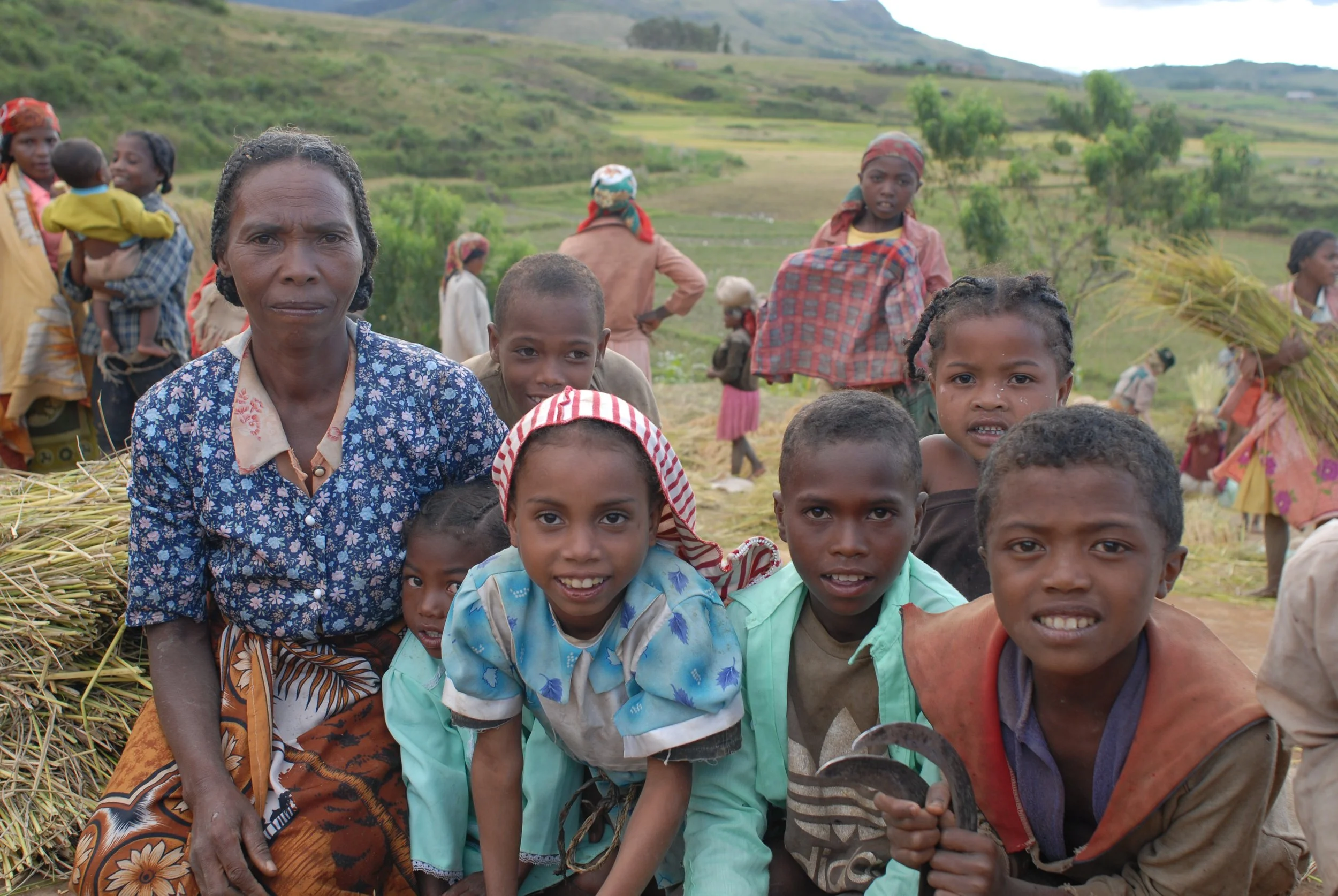
My new project examines how climate change, recurrent drought, and food insecurity are affecting health and well-being in rural southern Madagascar. It investigates the cumulative effects of prolonged environmental and economic stress on physical and mental health, nutrition, and everyday experiences of illness. The project explores how chronic stress becomes embodied and how its health effects are shaped by social inequality, household resources, gender, age, and access to care. It also examines how families and communities respond through farming strategies, migration, social support, and other forms of adaptation, and how humanitarian interventions and public policies influence their capacity to cope with climate-related health threats.
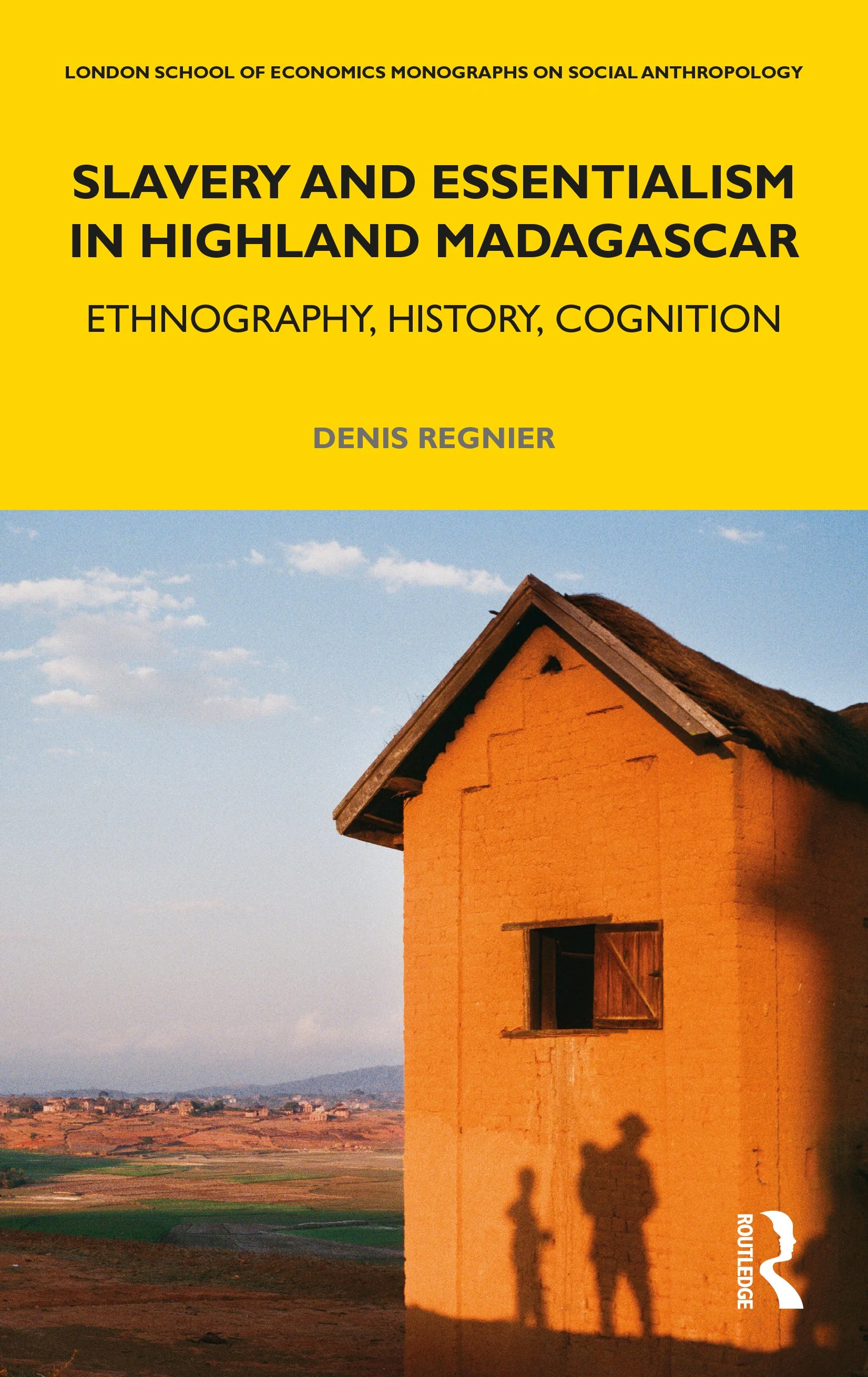
My book examines how the legacy of slavery continues to shape social life in Madagascar. Drawing on long-term ethnographic research in the southern highlands, it shows how ideas of ancestry, descent, marriage, and an “essentialized” difference are mobilized to justify exclusion and inequality, while also being challenged and reworked in everyday interactions. By analyzing these dynamics, the book contributes to broader debates in anthropology on memory, identity, and the enduring social consequences of slavery. (Routledge, 2021)
Slavery and Essentialism in Highland Madagascar