Building Equitable Health Systems: The BEACON-HD Initiative
BEACON-HD (Building Equitable Health Systems through Telemedicine and Community-Based Models for Hypertension and Diabetes Care) is a €3.9 million Horizon Europe consortium coordinated by the Technical University of Munich (TUM) and led by Nikkil Sudharsanan, bringing together partners in Europe, Rwanda, Uganda, and the United States to strengthen equitable care for hypertension and type 2 diabetes in resource-constrained settings. The project combines self-monitoring and a community-based model to improve access to patient-centred chronic disease prevention and care. Within the consortium, I co-lead two sub-studies on formative research, intervention co-design, and evaluation. They focus particularly on patients’ experiences and stakeholders’ perspectives, social and institutional barriers to care, and the contextual factors that shape the design, implementation, uptake, and effectiveness of the interventions.
Physical Activity Transition and Population Health in Rwanda
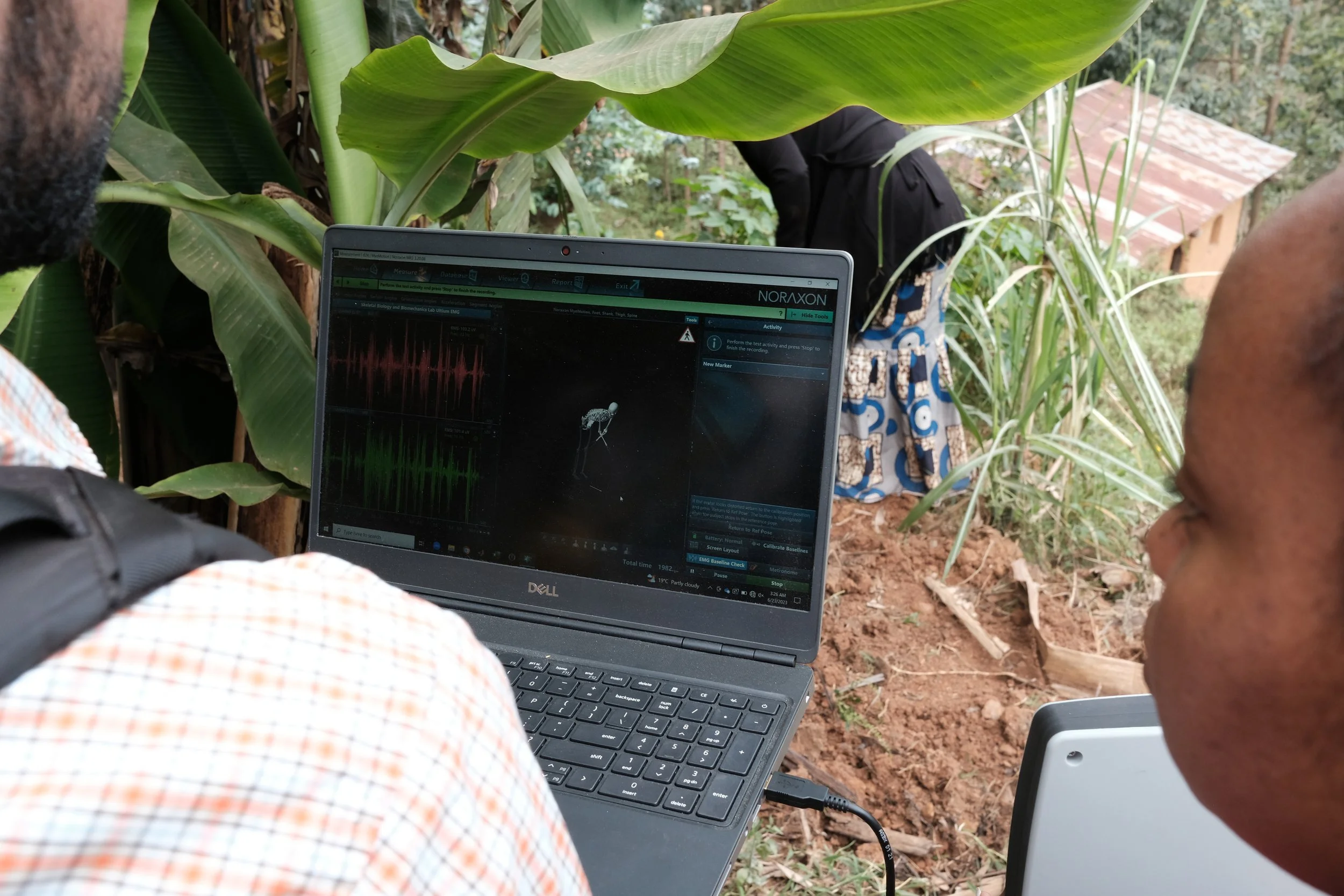
Since 2024, I have collaborated with Daniel Lieberman and colleagues from his Lab at Harvard University on a study of the physical activity transition in Rwanda. The project examines how changing livelihoods and increasingly sedentary lifestyles affect physical activity, energy expenditure, cardiometabolic health, ovarian function and aging. My contribution addresses the social and cultural dimensions of these transitions, complementing physiological and epidemiological methods with qualitative and ethnographic approaches. The next phase of the collaboration will extend this work to examine physical activity and nutrition.
Advancing Health Equity Through Innovation in Medical Education
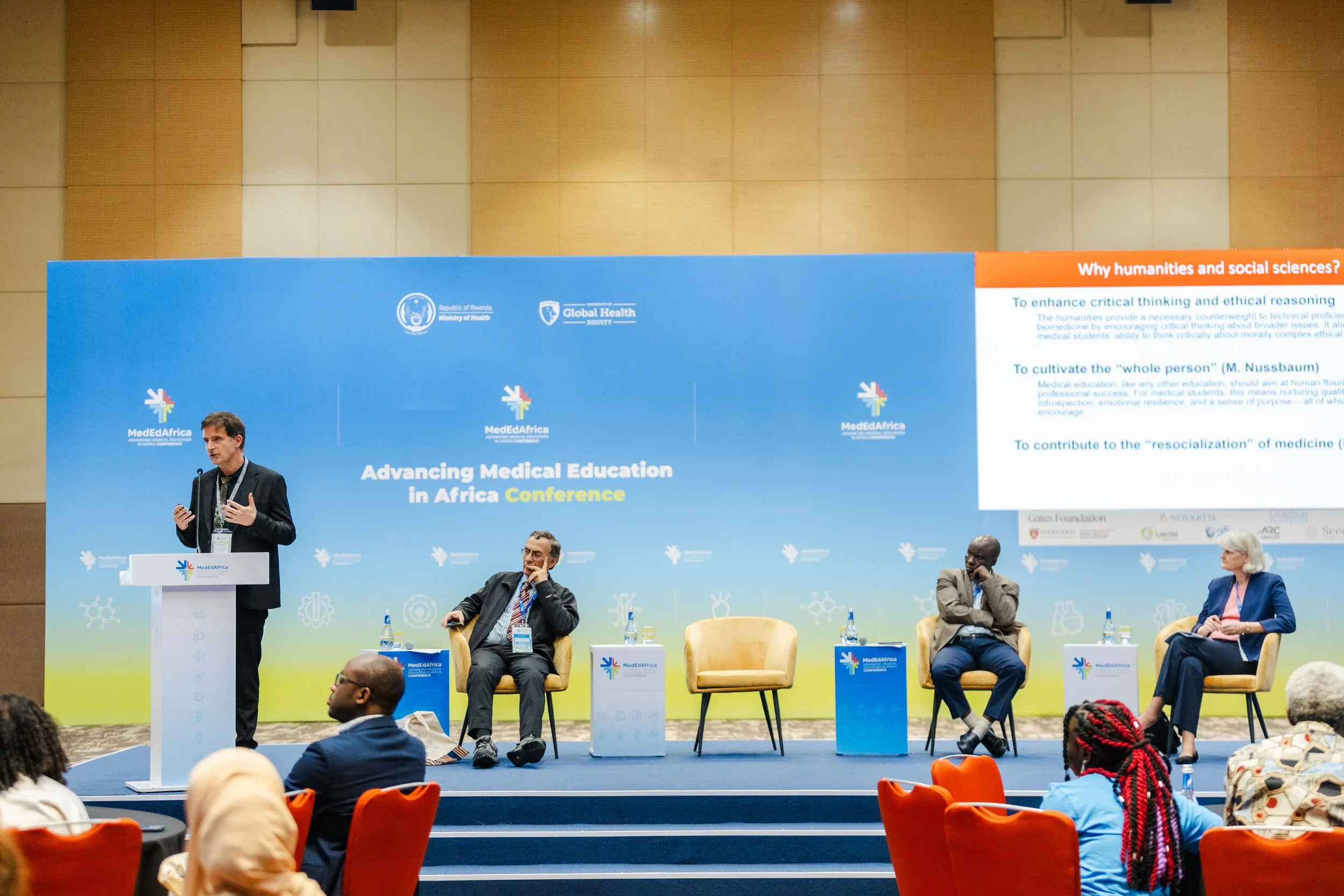
At the University of Global Health Equity in Rwanda, our work examines how new approaches to teaching medicine can better prepare doctors and health professionals to address the root causes of illness and inequality. By bringing social medicine, community engagement, liberal arts pedagogy, international partnerships, and interdisciplinary learning into medical training, this research shows how higher education can become a powerful tool for advancing health equity in underserved communities.
Butaro: A Teaching Hospital in the Making
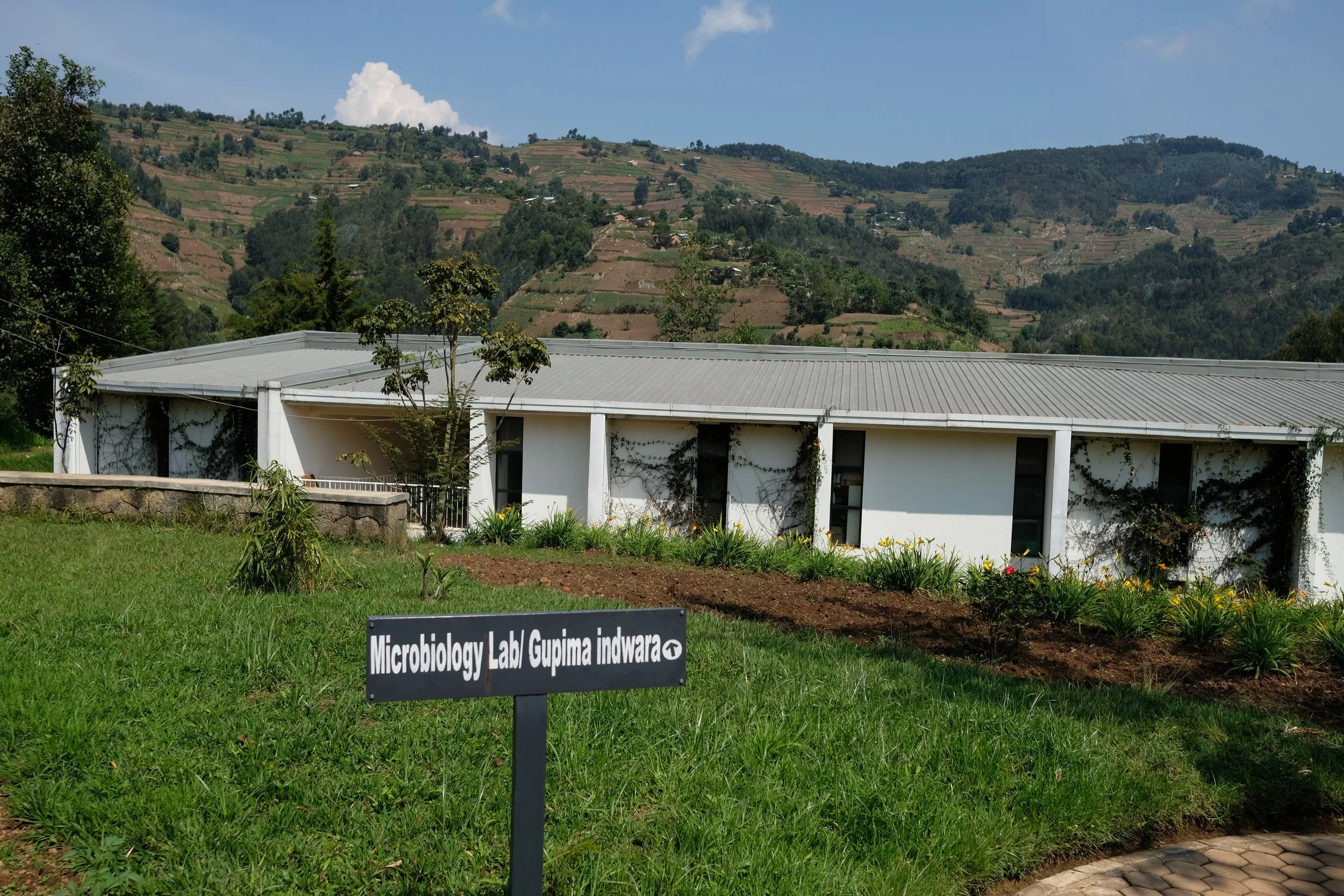
This project explores the evolution of Butaro District Hospital as a lens into the broader ambitions and tensions of global health. Drawing on long-term ethnographic engagement, it examines how clinicians, students, patients, and international partners together shape a new institution that is at once local and transnational, rooted in Rwanda’s post-genocide reconstruction yet entangled with global flows of expertise, funding, and ideals of health equity. By tracing everyday practices, aspirations, and frictions in the making of this teaching hospital, the study will shed light on how infrastructures of care, education, and hope are built in contexts marked by both scarcity and extraordinary innovation.